

Help End Addiction, Depression, and Suicide
Using Psychedelics
It’s worth exploring
Psychedelic therapy uses substances like psilocybin, MDMA, and ibogaine in controlled, supervised settings to treat conditions such as depression, PTSD, anxiety, and addiction by enabling psychological insight and emotional breakthroughs. These drugs act mainly as 5-HT2A (serotonin) receptor agonists, promoting changes in perception and mood and encouraging cortical neuroplasticity. Growing clinical evidence suggests durable benefits, prompting expanded research and interest in regulated treatment pathways. Proposals to broaden access, such as initiatives supporting ibogaine for opioid addiction, aim to help patients unresponsive to existing therapies but require strict safety protocols, standardized dosing, and careful monitoring to manage cardiac and neuropsychiatric risks.
Psychedelic Therapy
Ibogaine
Ibogaine is a naturally occurring psychoactive alkaloid derived from the rootbark of the African Tabernanthe iboga plant. Traditionally used in West African spiritual and initiation rituals, ibogaine produces intense, long-lasting psychedelic and oneirophrenic (dream-like) experiences. Pharmacologically, it acts on multiple neurotransmitter systems — notably NMDA, opioid, and serotonin receptors — and modulates dopamine pathways, which is why it has drawn attention for interrupting addiction cycles to opioids, stimulants, and alcohol. Anecdotal reports and preliminary studies suggest ibogaine can reduce withdrawal symptoms and cravings, sometimes after a single administered dose, but it carries significant medical risks (cardiac arrhythmias, neurotoxicity, and interactions with other medications) and remains illegal or controlled in many countries. Because of those risks, ibogaine treatment should only be considered within medically supervised settings and with thorough medical screening.
Heal the Invisible Wounds of War
My mission is to raise awareness and funds for innovative treatments that help end addiction, depression, and suicide amongst our veteran population.
Ayahuasca
Ayahuasca is a psychedelic infusion originating from the Amazon rainforest, primarily composed of the Banisteriopsis caapi vine and the Psychotria viridis plant, which contains dimethyltryptamine (DMT). For veterans suffering from post-traumatic stress disorder (PTSD), ayahuasca has shown potential benefits by facilitating deep processes of introspection and emotional healing. The active compounds in the brew may help reduce anxiety, fear, and depressive symptoms associated with PTSD, providing a therapeutic experience that promotes the integration of repressed traumas and psychological well-being. However, its use should be supervised by professionals due to its potency and intense psychedelic effects.
Psilocybin
Psilocybin is a naturally occurring psychedelic produced by over 200 species of mushroom , including Psilocybe cubensis, Psilocybe cyanescens and Psilocybe mexicana. Illegal in most industrialized countries for nearly half a century, it has been decriminalized in several US cities, including Denver, CO over the last few years.
Psilocybin is part of a family of molecules called the indolamines, which includes DMT and LSD (see below) and also more common endogenous neurotransmitters, such as serotonin . It is dephosphorylated to form its metabolite, psilocin, which can cross the blood-brain barrier and, given its structural similarity to serotonin, can easily activate the serotonin 5-HT2A receptor. It is this receptor activation that is thought to produce psilocybin’s psychedelic effects. These effects, which are dose-dependent, can include heightened perception, imagery, complex hallucinations and distortions of time.
STAY HEADS UP
spread awareness, raise funds for therapy, and provide meaningful support to veterans
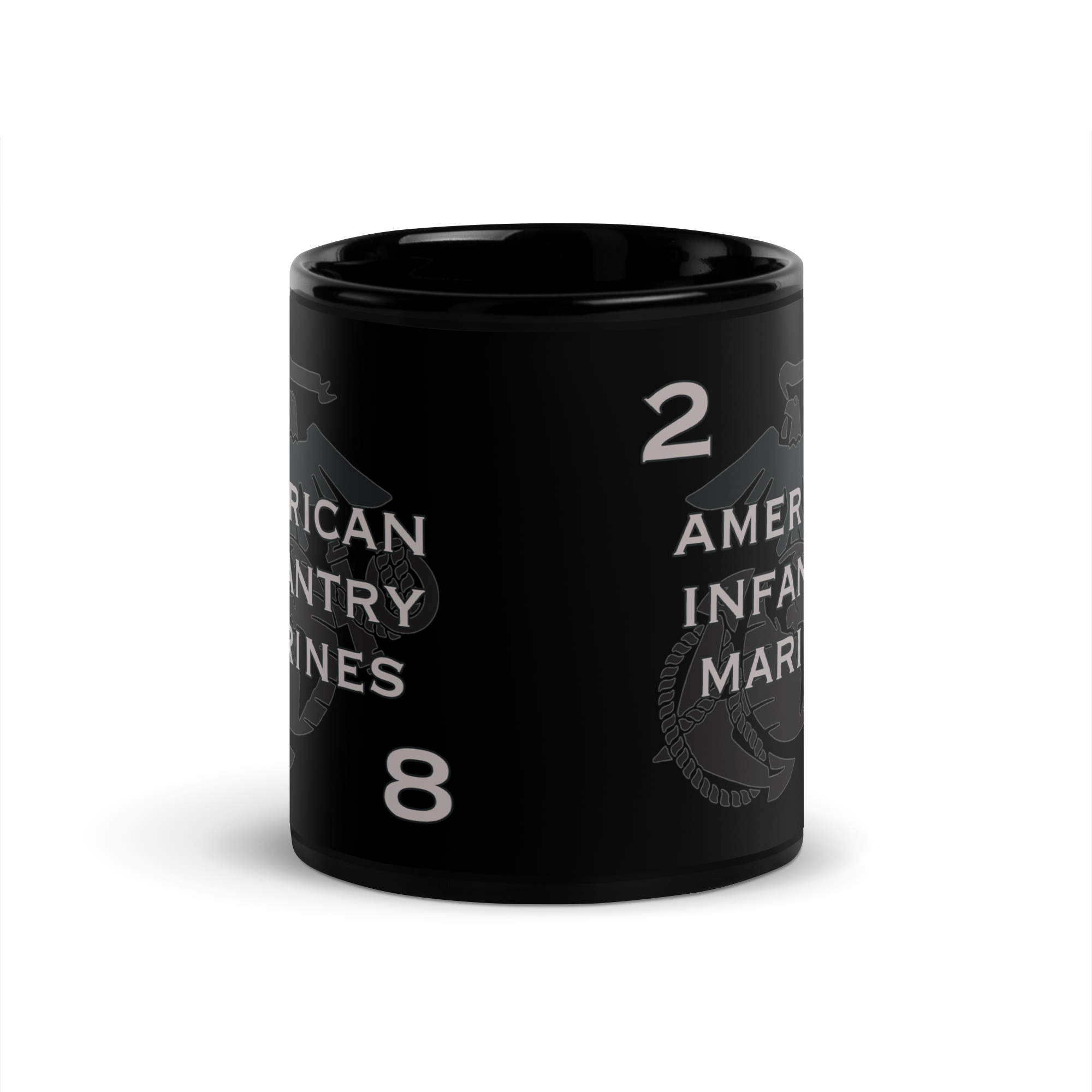
• Ceramic
• 11 oz mug dimensions: height 3.85" (9.8 cm), diameter 3.35" (8.5 cm)
• 15 oz mug dimensions: height 4.7" (12 cm), diameter 3.35" (8.5 cm)
• Lead and BPA-free material
• Glossy finish
• Dishwasher and microwave safe
This product is made especially for you as soon as you place an order, which is why it takes us a bit longer to deliver it to you. Making products on demand instead of in bulk helps reduce overproduction, so thank you for making thoughtful purchasing decisions!
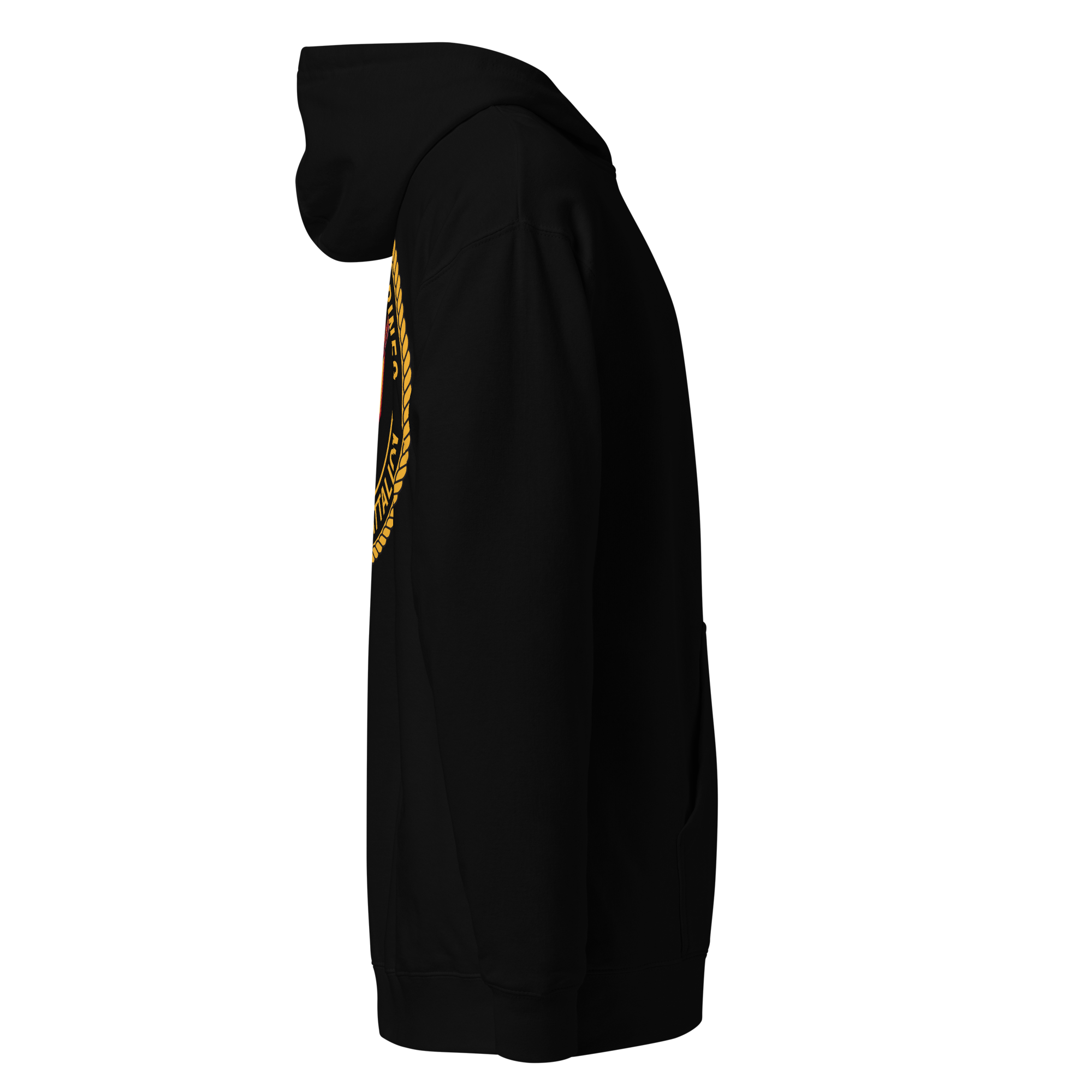
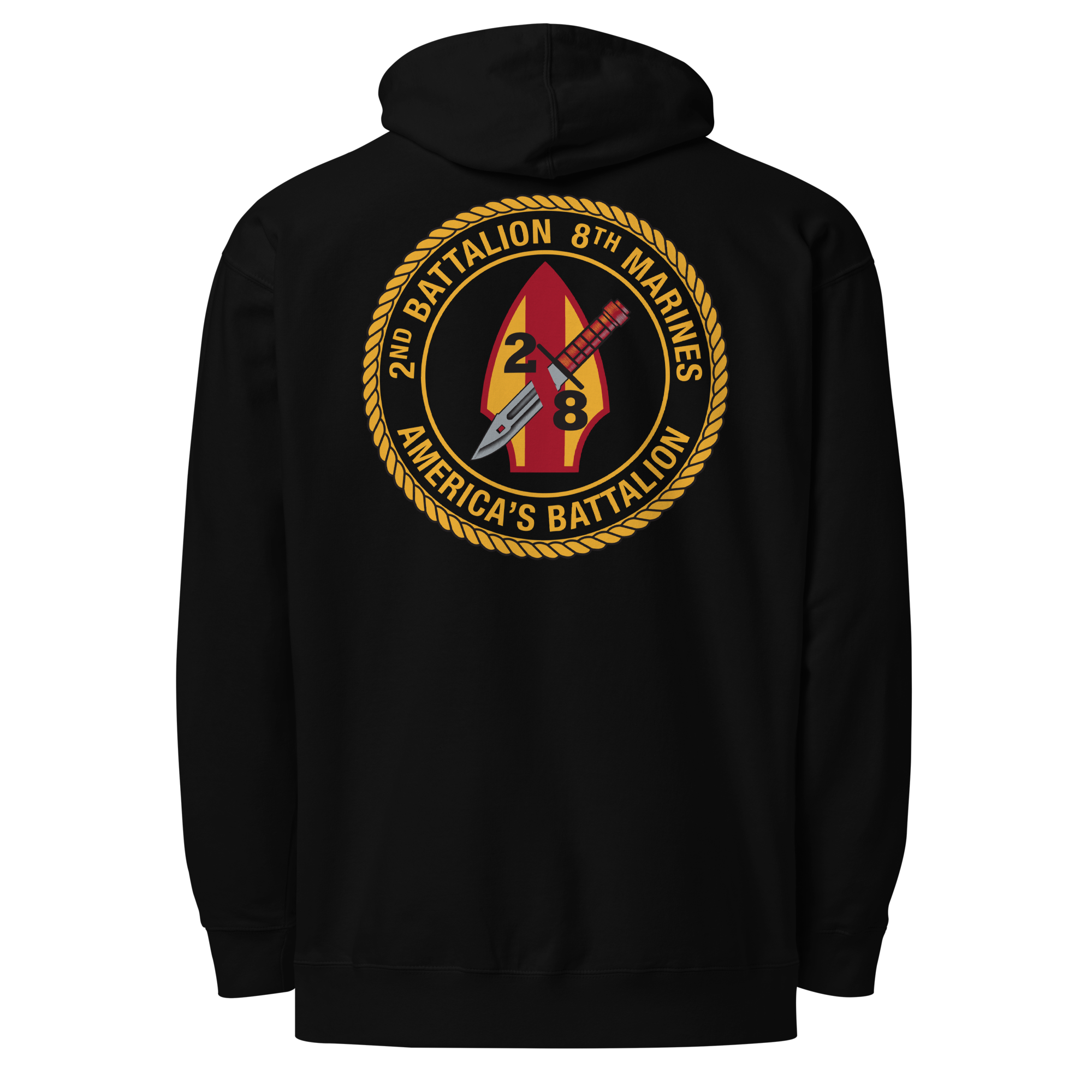
• Unisex fit
• 80% cotton, 20% polyester blend fleece
• 100% cotton face
• Fabric weight: 8.5 oz./yd² (280 g/m²)
• Jersey-lined hood
• Split stitch double-needle sewing on all seams
• Twill neck tape
• 1 × 1 ribbing for cuffs and waistband
• Metal eyelets
• Blank product sourced from Pakistan


• Ceramic
• 11 oz mug dimensions: height 3.85" (9.8 cm), diameter 3.35" (8.5 cm)
• 15 oz mug dimensions: height 4.7" (12 cm), diameter 3.35" (8.5 cm)
• Lead and BPA-free material
• Glossy finish
• Dishwasher and microwave safe
This product is made especially for you as soon as you place an order, which is why it takes us a bit longer to deliver it to you. Making products on demand instead of in bulk helps reduce overproduction, so thank you for making thoughtful purchasing decisions!
Ketamine
Ketamine is emerging as a promising treatment for veterans suffering from conditions such as PTSD, depression, and chronic pain, offering new hope where traditional therapies may have failed. By interacting with the brain's neurotransmitter systems, ketamine can rapidly alleviate symptoms and promote emotional healing, helping veterans regain a sense of stability and well-being. This innovative approach underscores the importance of exploring diverse treatment options to support those who have served, ultimately improving quality of life and enabling a stronger transition back to civilian life.
MDMA
MDMA, or 3,4-methylenedioxymethamphetamine, is a synthetic drug known primarily for its stimulant and hallucinogenic properties, producing effects such as increased energy, euphoria, emotional warmth, and altered sensory perception. Commonly referred to as "ecstasy" or "molly," MDMA increases the activity of neurotransmitters like serotonin, dopamine, and norepinephrine in the brain.
Beyond its recreational use, recent research has explored MDMA's therapeutic potential, particularly in helping veterans suffering from post-traumatic stress disorder (PTSD). Controlled clinical studies have shown that MDMA-assisted therapy can significantly reduce PTSD symptoms by fostering emotional openness, reducing fear responses, and enhancing the therapeutic alliance between patient and therapist. This innovative approach offers hope for veterans who have not found relief through conventional treatments, providing a path toward improved mental health and quality of life.
I strongly encourage veterans considering psychedelic therapy to seek it exclusively under the guidance of qualified medical professionals within legally regulated and controlled settings. It is important to approach psychedelic treatment with informed caution, recognizing both its promise and limitations, particularly for those with trauma-related conditions. Prioritizing safety and professional care ensures the best possible outcomes.