

It’s worth healing
Gut-Brain Axis
Breachers Gut
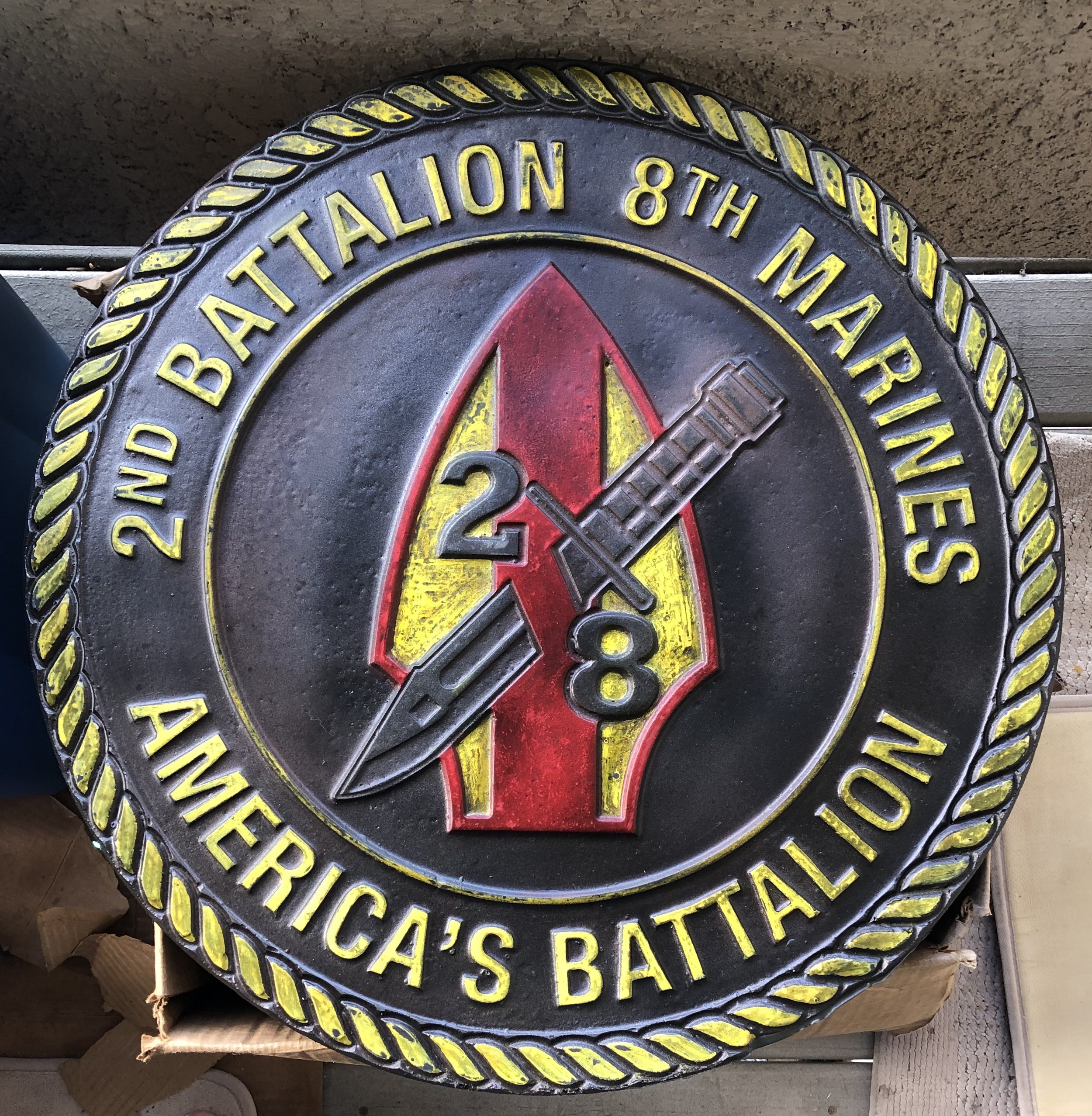
I’ve observed too many veterans struggling with internal battles—addiction, depression, and suicidal thoughts—that often stem from the long-term effects of trauma. A growing body of research points to the gut-brain axis as a key factor in these conditions: the bidirectional communication between the gut microbiome and the brain, mediated by neural, hormonal, and immune pathways. When the intestinal barrier becomes more permeable (“leaky gut”), toxins and pro-inflammatory compounds can enter the bloodstream, triggering systemic inflammation that disrupts neurotransmitters such as serotonin and dopamine and interferes with neuroplasticity. These biological changes can worsen mood disorders, impulsivity, and substance use.
Addressing gut integrity and promoting neuroplasticity may therefore be critical components of effective treatment. Hyperbaric oxygen therapy (HBOT) increases tissue oxygenation and has been shown in some studies to reduce inflammation, support tissue repair, and influence the composition of the gut microbiome—effects that could help restore barrier function and create a healthier environment for the brain to recover. Psilocybin-assisted therapy has also shown promise in treating treatment-resistant depression and substance use disorders by facilitating profound changes in neural connectivity and emotional processing. Emerging evidence suggests psilocybin may additionally affect the gut microbiome and intestinal permeability, and when administered in a controlled, therapeutic setting it can promote lasting psychological change.
While more large-scale research is needed to fully establish efficacy and safety profiles, combining interventions that target both gut health and brain plasticity—under qualified medical supervision—represents a promising, integrative approach to breaking cycles of addiction and depression. It’s important these therapies are delivered by licensed professionals within evidence-based frameworks, with attention to individual medical histories and concurrent treatments. There is reason to be hopeful: by supporting both the gut and the brain, we can create conditions that enable recovery and resilience.
Psilocybin and hyperbaric oxygen therapy (HBOT) have shown potential as therapeutic modalities for promoting neural plasticity, supporting the gut–brain axis, and addressing conditions such as addiction, depression, and suicidal ideation. Veterans considering psychedelic therapy or HBOT should pursue these treatments only under the supervision of qualified medical professionals and within legally regulated, controlled settings. Prioritizing safety, clinical oversight, and evidence-based protocols maximizes the likelihood of beneficial outcomes.