


The Tragic Cascade:
A Veteran Mental Health Crisis
01 — The Silent Epidemic
Traumatic brain injury (TBI) and Post Traumatic Stress Disorder (PTSD) are the signature injuries of the modern battlefield. From roadside bombs to rocket attacks, combat veterans experience traumatic brain injuries (TBIs), even from seemingly minor concussions. Repeated injuries lead to cognitive decline, impacting memory, decision-making, and emotional health. Left untreated, TBIs are the most costly injuries for our veteran community, setting the stage for deeper struggles and a devastating cascade: addiction, depression, and, too often, suicide.
02 — Addiction as a Coping Mechanism
The trauma of combat coupled with brain injury often pushes veterans to self-medicate with alcohol, drugs, or even VA-prescribed narcotics. These substances, meant to ease pain, can lead to addiction, trapping veterans in a cycle of dependency that worsens their physical and mental health.
03 — Depression and Isolation
Addiction, intertwined with PTSD, often leads to isolation and profound depression. Drugs and alcohol disrupt the body’s natural balance, intensifying mental health challenges. For even the most resilient veterans, the weight of isolation and despair can feel unbearable.
04 — Suicide’s Lasting Impact
Veterans with a history of concussions are three times more likely to die by suicide than the general population. With most combat veterans experiencing at least one concussion, the risk is alarmingly high. Suicide not only ends a veteran’s life but leaves lasting trauma for families and communities, perpetuating a cycle of pain.
05 — A Path to Healing
I know this cycle can be broken. Through innovative treatments like psychedelic therapy, hyperbaric oxygen therapy (HBOT), early intervention, and community support, we can address brain injuries, addiction, and depression to prevent suicide. Join me in offering hope and healing to those who served.
Heal the Invisible Wounds of War
My mission is to raise awareness and funds for innovative treatments that help end addiction, depression, and suicide amongst our veteran population.
Healing Under Pressure
Neuroplasticity and the Capacity to Heal Brain Injuries
Discover how Hyperbaric Oxygen Therapy (HBOT) leverages the brain's neuroplasticity—the ability to rewire and adapt—to promote healing from brain injuries, reduce inflammation, and enhance overall neurological recovery through pressurized oxygen delivery.
Hyperbaric oxygen therapy (HBOT) is an advanced medical treatment that involves breathing pure oxygen in a pressurized chamber. For brain-injured veterans at risk of suicide, HBOT offers a promising therapeutic approach by enhancing oxygen supply to damaged brain tissues, promoting healing and reducing inflammation. This increased oxygen availability supports neural repair and can improve cognitive function, mood, and overall brain health.
By addressing the underlying brain injuries and supporting neurological recovery, hyperbaric oxygen therapy serves as a valuable complement to traditional mental health treatments, helping to reduce suicide risk and enhance quality of life for brain-injured veterans.
Psychedelic therapy involves the use of psychedelic substances, such as psilocybin or MDMA, under controlled and supervised conditions to treat mental health disorders. This approach has shown promise in addressing conditions like depression, PTSD, anxiety, and addiction by facilitating psychological insights and emotional breakthroughs
Psychedelics are 5-hydroxytryptamine (serotonin) 2A receptor (5-HT2AR) agonists that can lead to profound changes in perception, cognition, and mood (8). Recent evidence suggests that they promote cortical structural and functional neuroplasticity through activation of 5-HT2ARs (9, 10).Feb 16, 2023, Demonstrating the potential of psychedelic therapy to offer long-lasting benefits, making it a growing area of interest in both clinical research and mental health treatment.
Psychedelic Therapy
Reunions & Recreation
Reunions and community support help reconnect veterans with those they served alongside, strengthening bonds and reducing isolation after service. Reuniting with fellow veterans who shared the same experiences creates a trusted space to talk openly and lowers the stigma around PTSD, depression, and anxiety. These reunions rebuild camaraderie, lift morale, and restore a sense of shared purpose. Regular reunion participation and continued contact within veteran networks reinforce resilience, provide peer support, and link veterans back to healing and reintegration resources.

Veterans with concussions are 3x more likely to die by suicide.
Help End Addiction, Depression, and Suicide
STAY HEADS UP
spread awareness, raise funds for therapy, and provide meaningful support to veterans
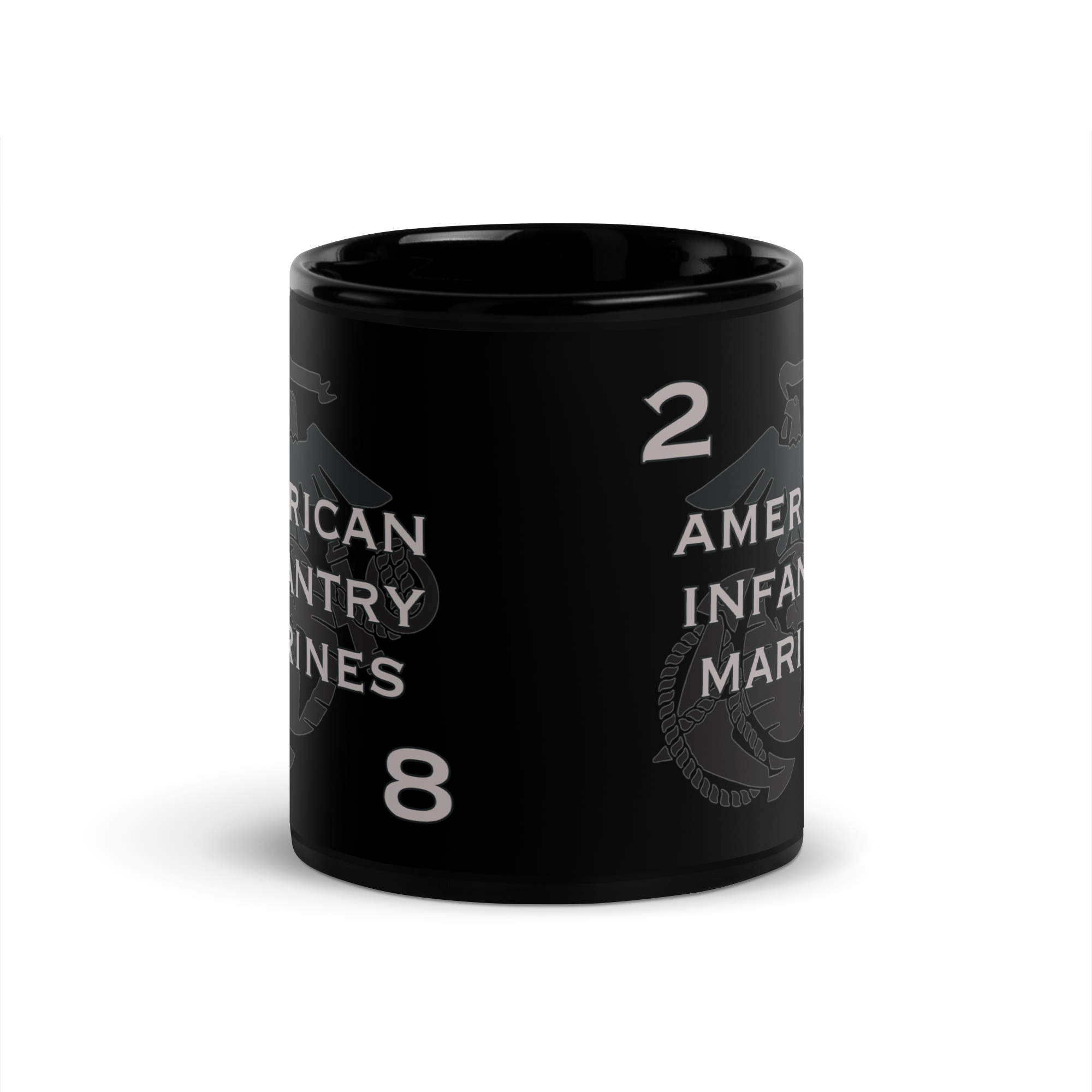
• Ceramic
• 11 oz mug dimensions: height 3.85" (9.8 cm), diameter 3.35" (8.5 cm)
• 15 oz mug dimensions: height 4.7" (12 cm), diameter 3.35" (8.5 cm)
• Lead and BPA-free material
• Glossy finish
• Dishwasher and microwave safe
This product is made especially for you as soon as you place an order, which is why it takes us a bit longer to deliver it to you. Making products on demand instead of in bulk helps reduce overproduction, so thank you for making thoughtful purchasing decisions!
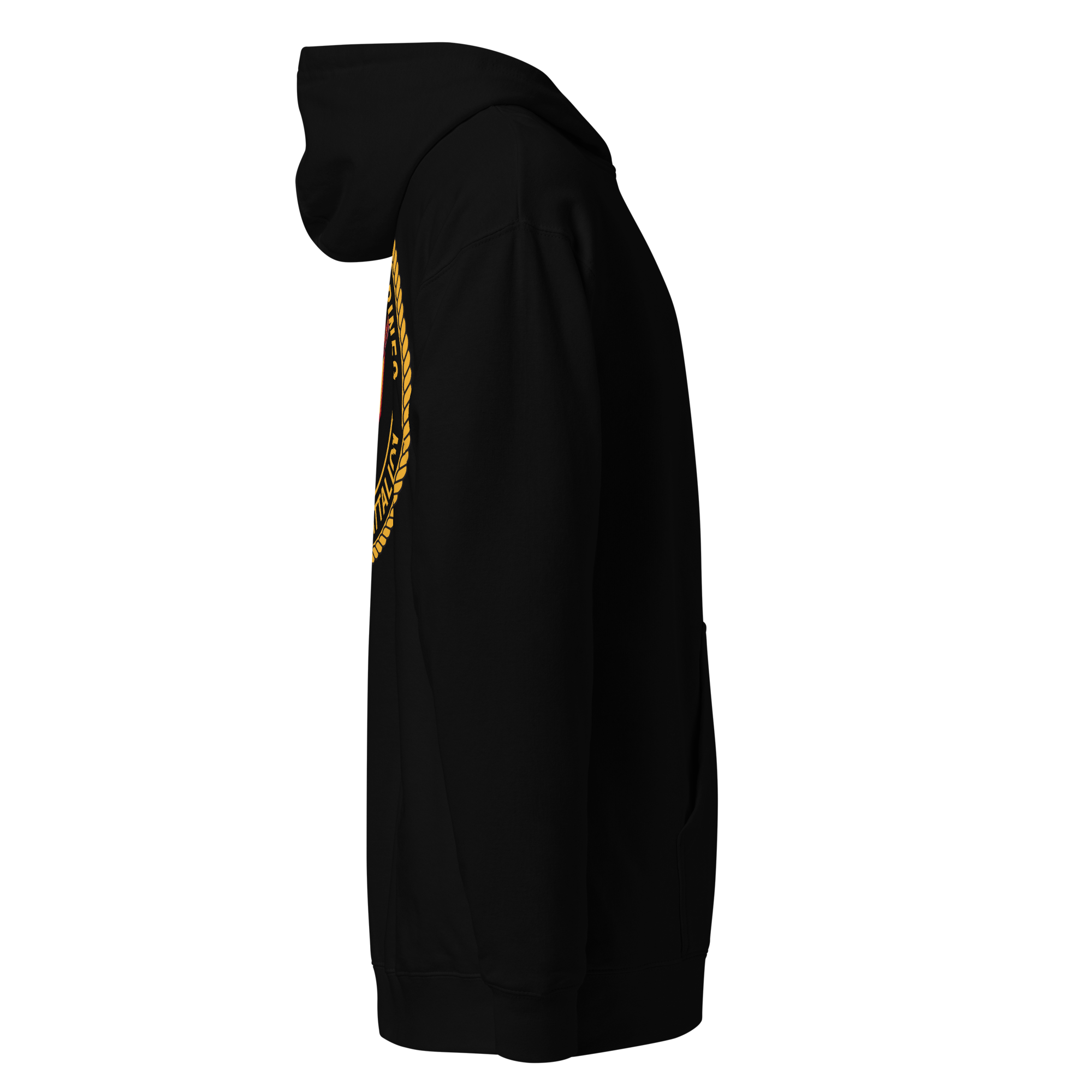
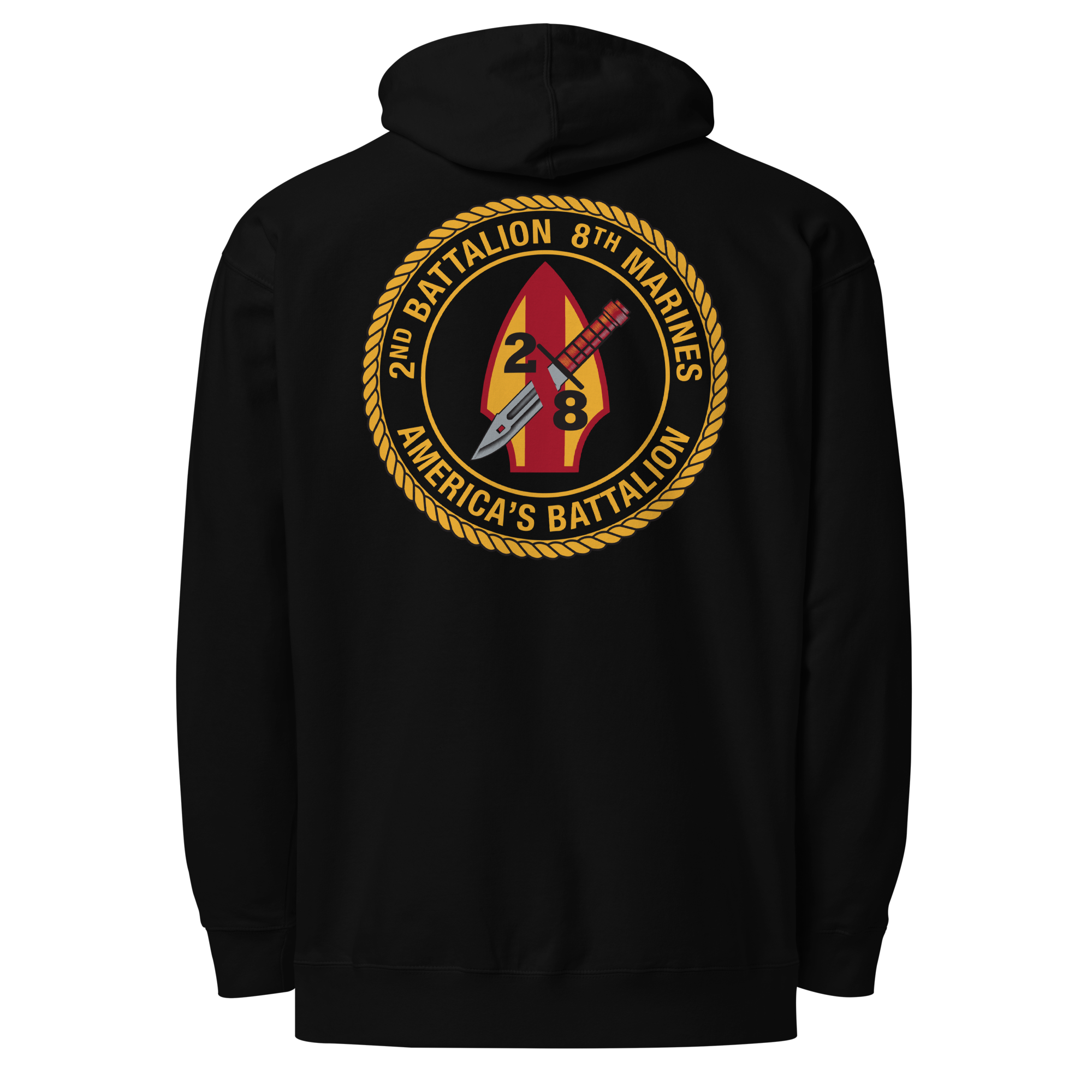
• Unisex fit
• 80% cotton, 20% polyester blend fleece
• 100% cotton face
• Fabric weight: 8.5 oz./yd² (280 g/m²)
• Jersey-lined hood
• Split stitch double-needle sewing on all seams
• Twill neck tape
• 1 × 1 ribbing for cuffs and waistband
• Metal eyelets
• Blank product sourced from Pakistan


• Ceramic
• 11 oz mug dimensions: height 3.85" (9.8 cm), diameter 3.35" (8.5 cm)
• 15 oz mug dimensions: height 4.7" (12 cm), diameter 3.35" (8.5 cm)
• Lead and BPA-free material
• Glossy finish
• Dishwasher and microwave safe
This product is made especially for you as soon as you place an order, which is why it takes us a bit longer to deliver it to you. Making products on demand instead of in bulk helps reduce overproduction, so thank you for making thoughtful purchasing decisions!
I strongly encourage veterans considering hyperbaric oxygen therapy or psychedelic therapy to seek it exclusively under the guidance of qualified medical professionals within legally regulated and controlled settings. While emerging research highlights potential therapeutic benefits, unsupervised or recreational use poses significant health risks and legal consequences. It is important to approach psychedelic treatment with informed caution, recognizing both its promise and limitations, particularly for those with trauma-related conditions. Prioritizing safety and professional care ensures the best possible outcomes.